
They talked about us:

Italy at its best
Discover the beauty of Italy, get insider tips and travel advice.
This is the start of a mysterious and fascinating trip: a voyage across more than 20 centuries of creativity through which art and history intertwine, telling the story of what human ingenuity has created through the ages.
This is the start of a mysterious and fascinating trip: a voyage across more than 20 centuries of creativity through which art and history intertwine, telling the story of what human ingenuity has created through the ages.
Here you can discover the incredible treasure that Italy holds, a true treasure trove of art, history, and unparalleled wonders. We are delighted to accompany you on a sensory and emotional journey through the most important tourist destinations, where art blends with nature, creating unforgettable experiences.
Discover our products designed for tourists
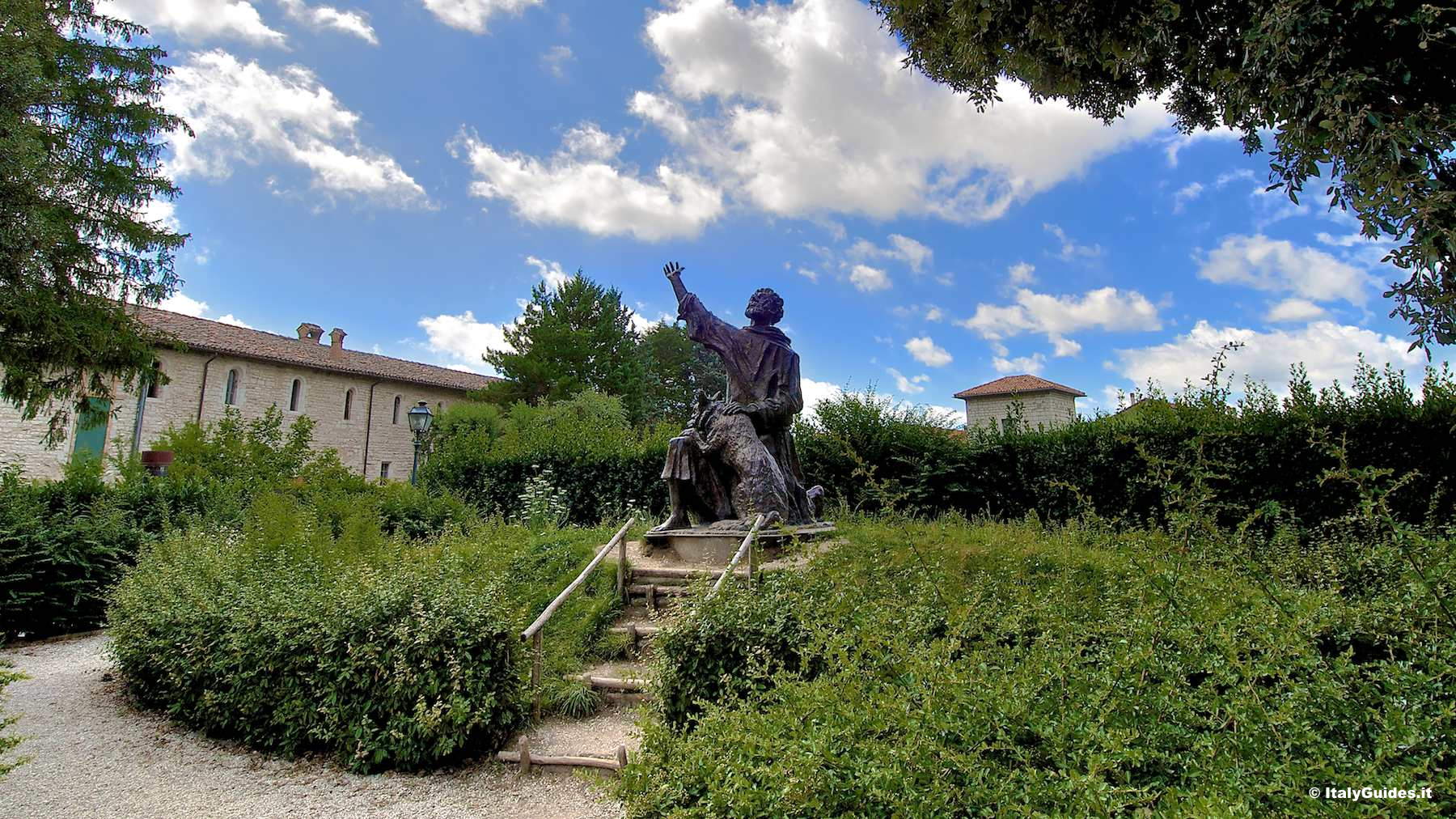


Piazza Quaranta Martiri
Coming soon...

Bargello Palace
Coming soon...
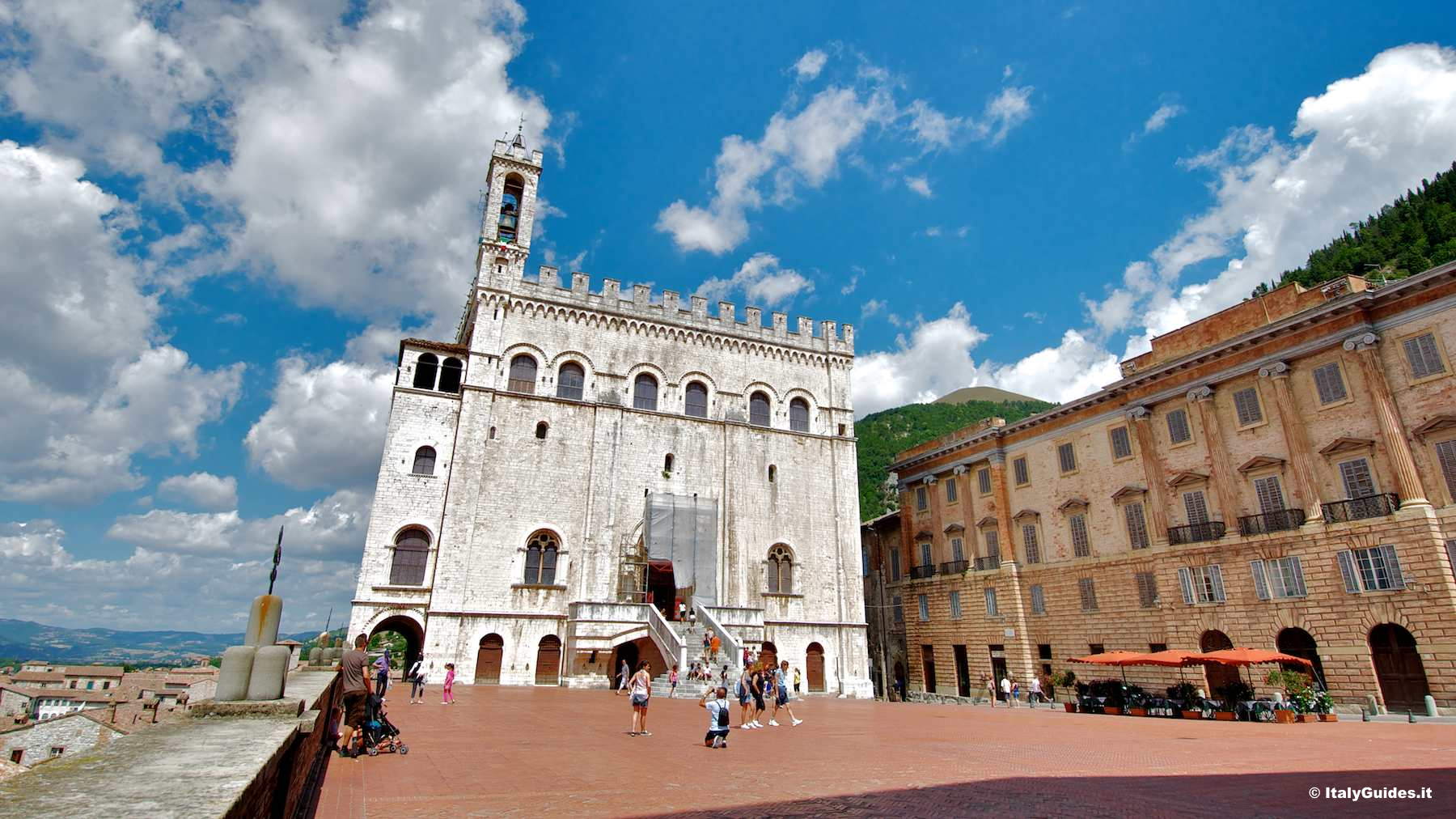
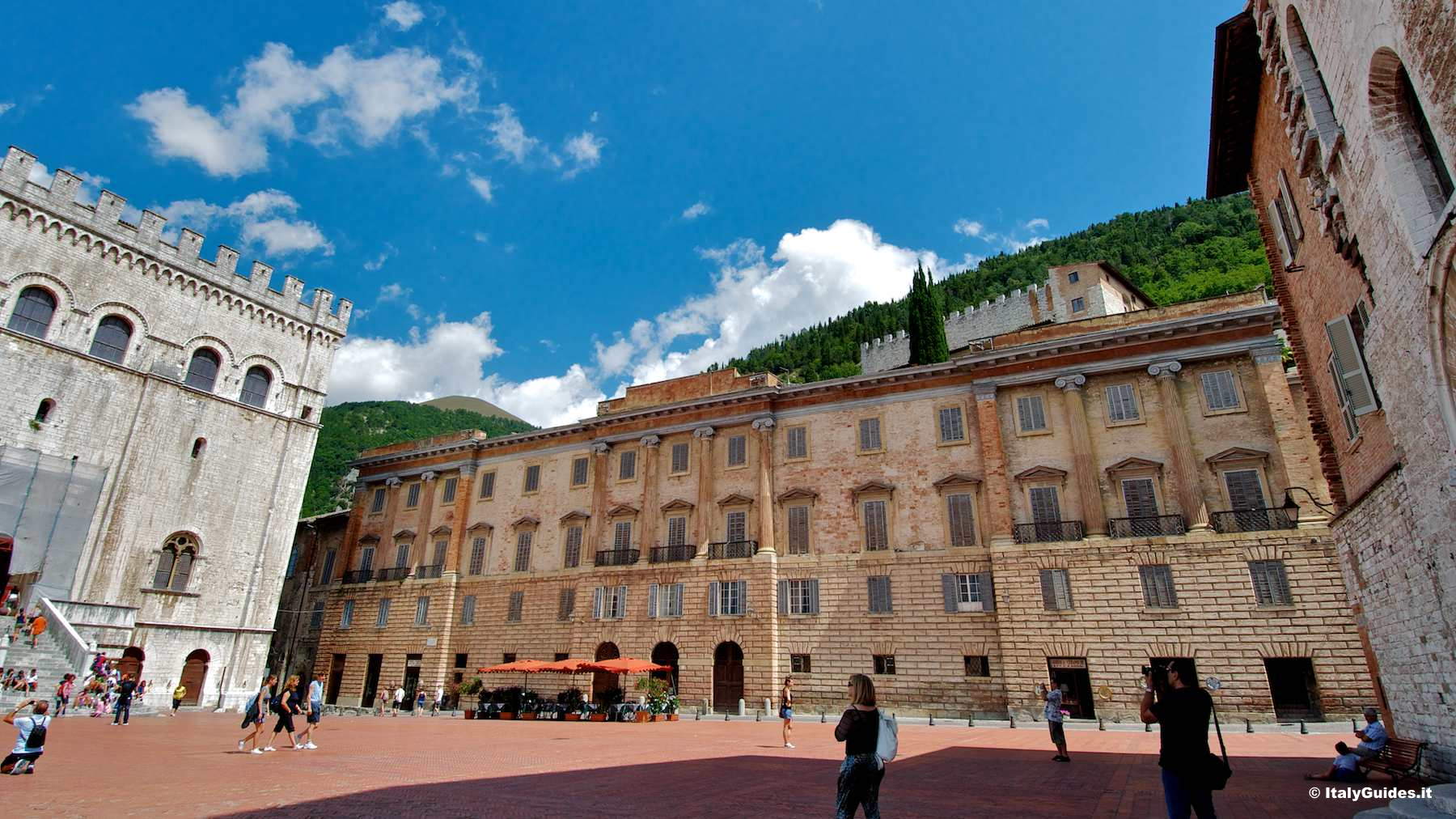
The Palazzo dei Consoli, impressive and easily recognizable even from a distance, is located in the heart of the historic center of Gubbio. Its majestic facade overlooks the Piazza Grande, a splendid suspended terrace and the political center of the 14th-century city.
A visit to the Palazzo dei Consoli in Gubbio is an absolute must, not only for the enchanting setting in which it is located, but also for the precious art collections it houses inside, including the Pinacoteca on the upper floor and the Archaeological Museum on the ground floor.
The construction of the Palazzo dei Consoli, together with the unfinished Palazzo Pretorio, was started in the first half of the 14th century, during a period of great urban growth. There was a need to create a public space suitable for the economic and political power that Gubbio had acquired in its territory. For this reason, the ancient Platea Communis, located in the upper part of the city, was abandoned, and a new splendid suspended square was created that was linked to all the neighborhoods, but external to each of them and therefore a fair point of connection in political matters.
The Palazzo dei Consoli in Gubbio, designed by the famous Angelo da Orvieto and built between 1332 and 1349 with the support of Matteo di Giovannello, known as il Gattapone, has a rectangular plan and a remarkable Gothic style, highlighted by the vertical pilasters that divide the facade into three distinct parts.
The facade of the Palazzo dei Consoli consists of two distinct architectural orders. The first is composed of a portal which is accessed via a fan-shaped staircase. In the lunette of the portal is a fresco by Bernardino di Nanni dell'Eugenia depicting the Madonna and Child with St. John the Baptist and St. Ubaldo, dating back to 1495. The painting underwent numerous modifications during the sixteenth century by Benedetto Nucci. On either side of the portal, there are two bifora windows located in the center of the facade.
The second order consists of six windows also located in the center, surmounted by a dentil cornice that joins the arches. The crenellated crown of the palace is embellished with ogival arches, and on the left side, there is the bell tower.
The right side and the back of the palace, visible from Via dei Consoli, have shapes similar to the main facade. On the left side of the palace, another building was added, consisting of a portico overlooking Via Baldassini. On the first floor of the building is the Sala dell'Arengo, covered by grand barrel vaults.
For more information and bookings, visit the official website www.palazzodeiconsoli.it.
Subcategories
They talked about us: