
They talked about us:

Italy at its best
Discover the beauty of Italy, get insider tips and travel advice.
This is the start of a mysterious and fascinating trip: a voyage across more than 20 centuries of creativity through which art and history intertwine, telling the story of what human ingenuity has created through the ages.
This is the start of a mysterious and fascinating trip: a voyage across more than 20 centuries of creativity through which art and history intertwine, telling the story of what human ingenuity has created through the ages.
Here you can discover the incredible treasure that Italy holds, a true treasure trove of art, history, and unparalleled wonders. We are delighted to accompany you on a sensory and emotional journey through the most important tourist destinations, where art blends with nature, creating unforgettable experiences.
Discover our products designed for tourists
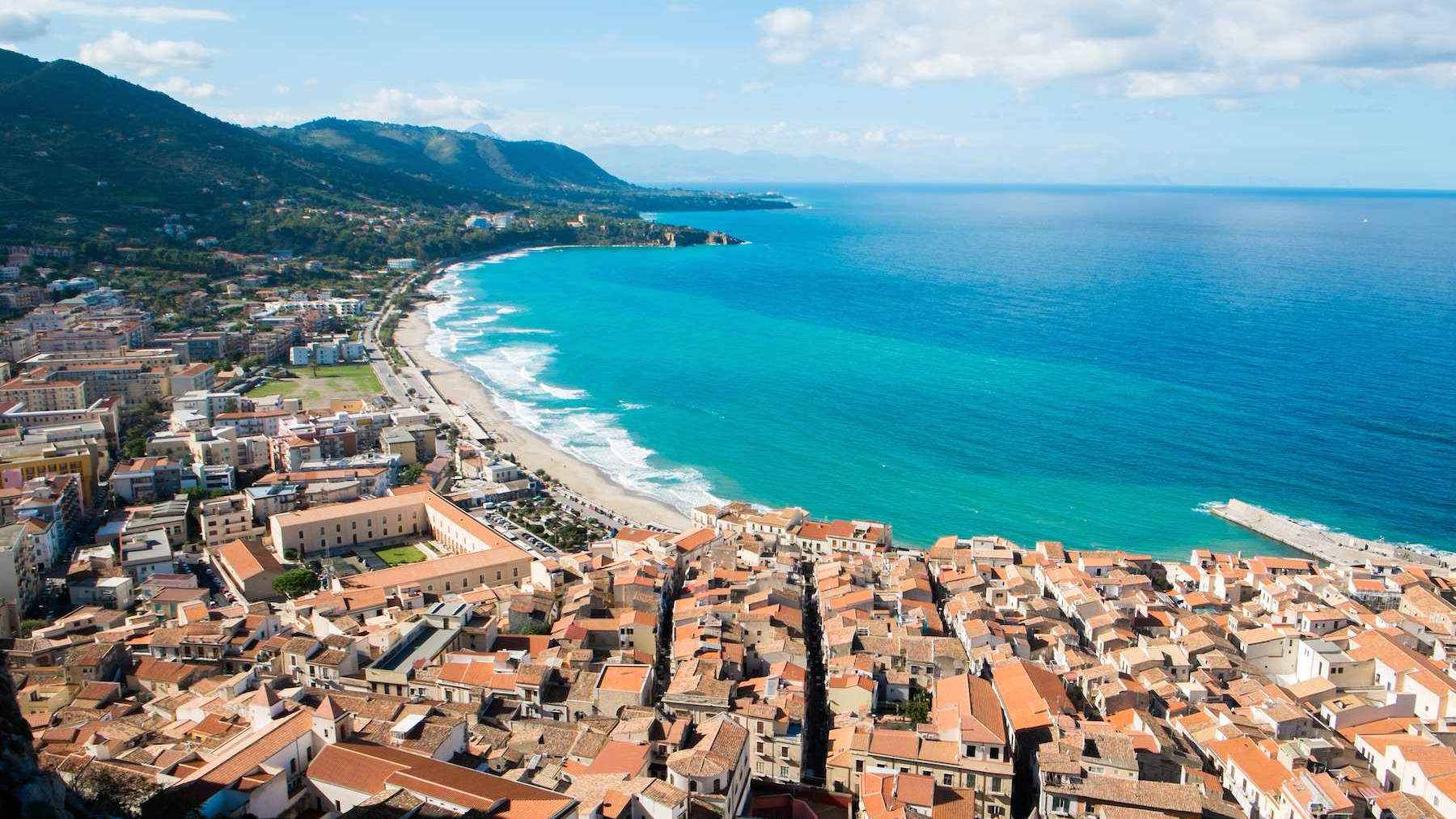


Cathedral of Cefalù
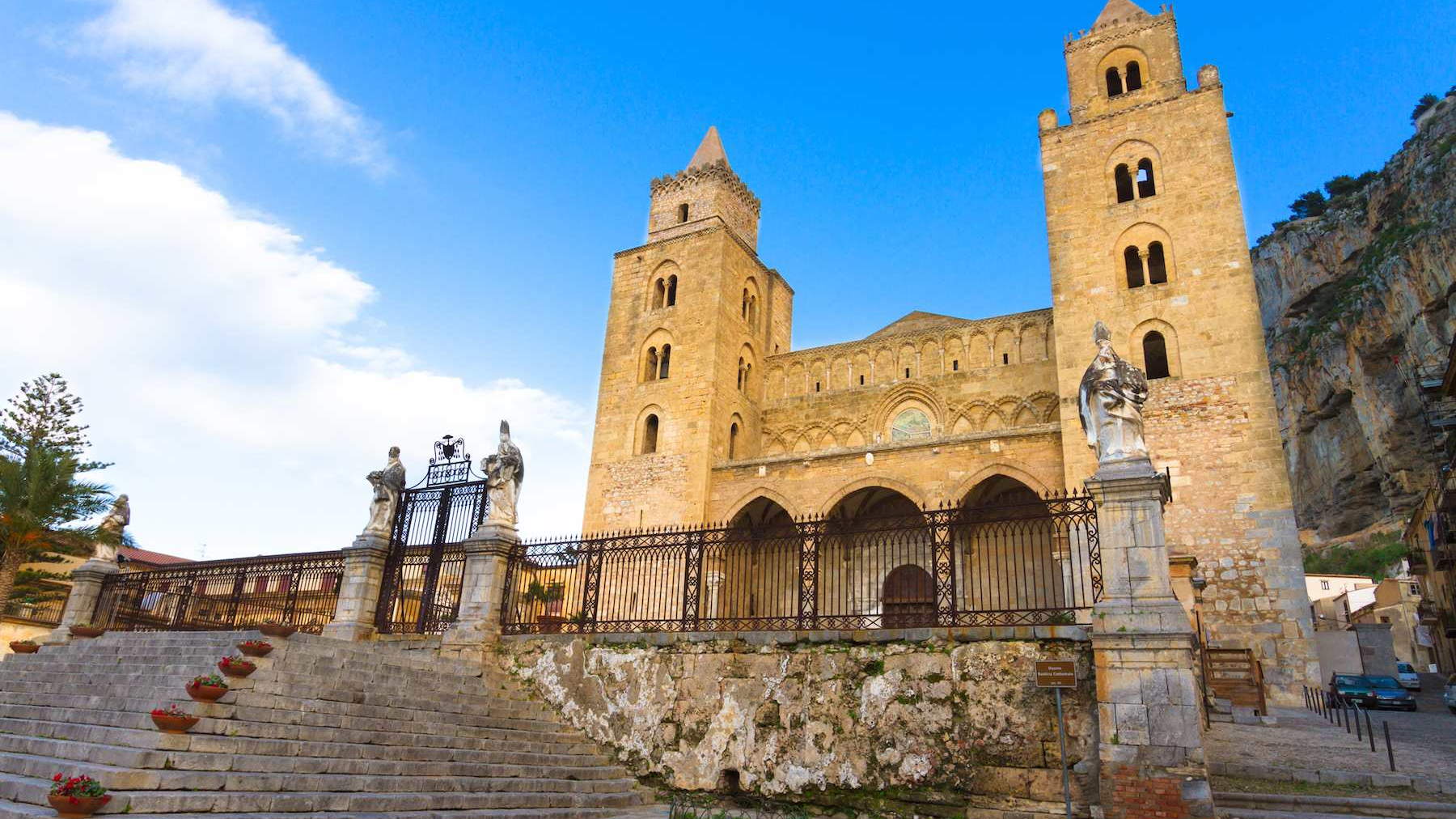
Legend tells that Roger II, the well-known Norman sovereign of Sicily, in gratitude to God for sparing his life in a violent storm at sea, commissioned the building of a grand Cathedral at Cefalù, where he landed after the tempest.
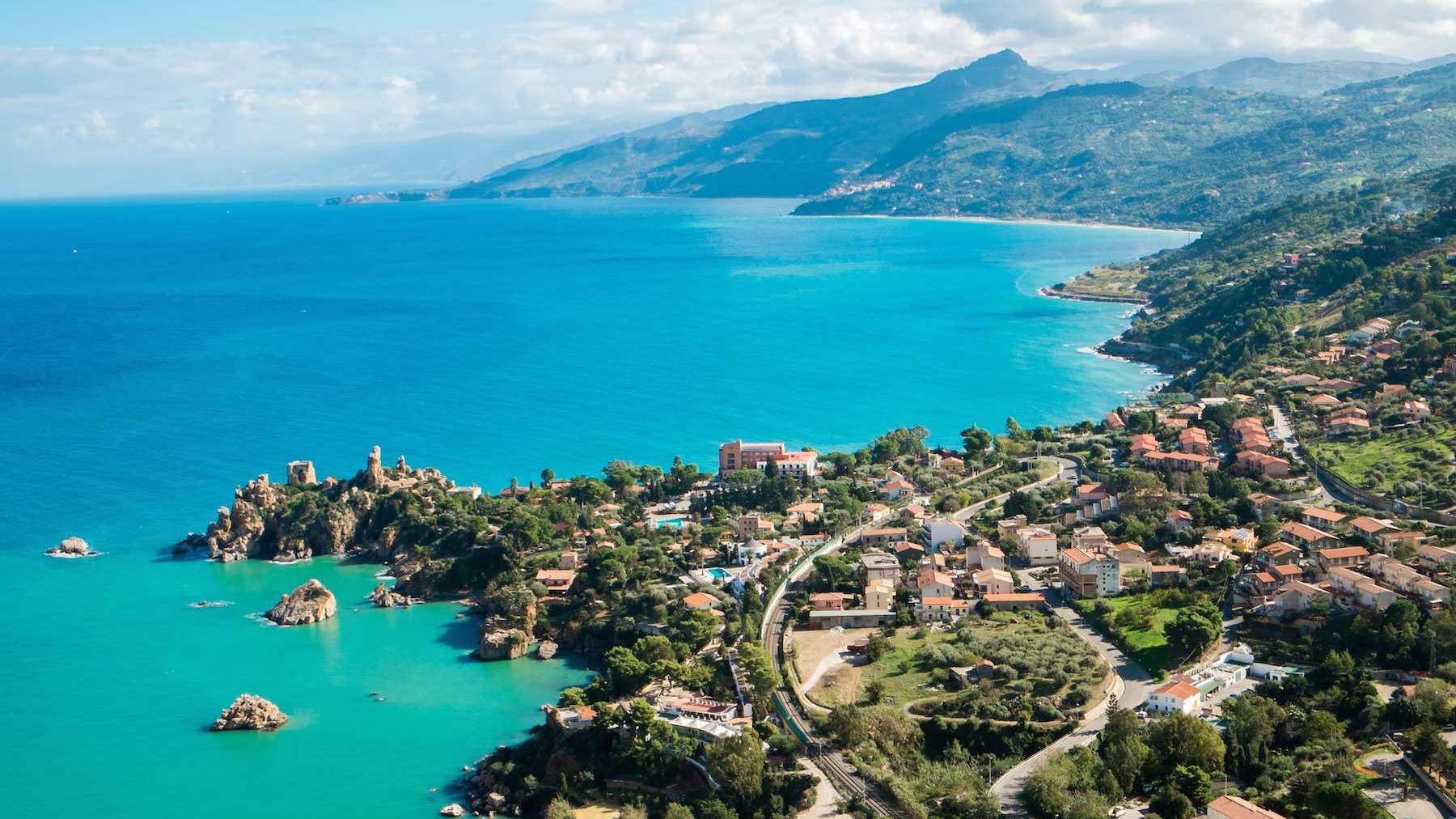
Its characteristics, as well as its position, so close to the sea, make it something of a fortress from the outside as much as it is a church on the inside.
In fact, the religious situation at the time if Roger II's reign in Sicily was a fascinating mix of Arab Muslims and Catholics. At the time of his reign there was no Cathedral in the little town, Roger II took the opportunity of impressing the inhabitants who had been deeply influenced by Arab invasions and by Islam. The Cathedral should be a symbol of the triumphant Christianity.

The Cathedral was begun on a site in which Roman buildings had already existed. However after unforeseen circumstances, and changes in construction plans, the original building was never finished. The remains of this building project are three roofs which testify to past ages and building techniques.
The actual Cathedral, completed and consecrated in 1267 is a magnificent sight. The majestic staircase climbs the side of the rock to the door in the façade, standing between two mighty towers.
The top of these towers have battlements decorated with symbols: one with flames, symbolising the papal tiara; the other with a symbol of the temporal power of the emperor, thus symbolically uniting Church and State in one building.
The interior of the Cathedral has three naves divided by reused ancient columns with various capitals supporting arab pointed arches.
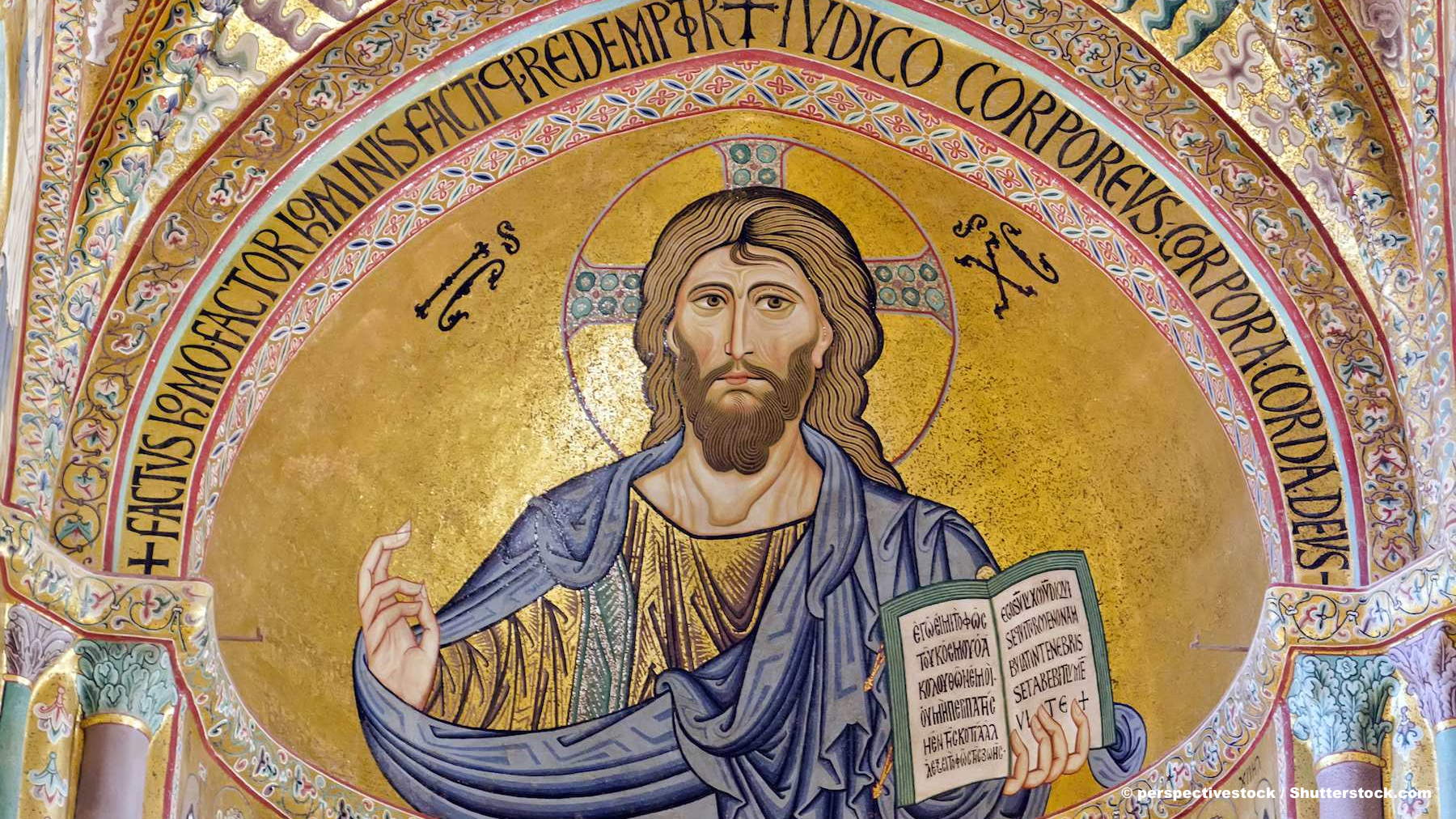
In the presbytery stand two thrones, one in front of the other, both decorated in mosaics, as is the entire presbytery and apse, for the king and the bishop. In the apse itself is the marvellous mosaic of Christ the Pantocrator, (sustainer of all things), with his hand raised in divine benediction.
Despite a certain incompleteness, the cathedral has acquired a homogenous balance between both Islamic and christian cultures, and temporal and spiritual power embodying to a large extent the powers that throughout the centuries have contributed to, and enlivened Sicily's landscape, architecture and culture.
Duomo Square
At the base of the Cathedral steps, lies Piazza Duomo. Drenched in sunshine, shaded by palm trees and accompanied by the customary bar, with tables spreading into the centre of the piazza, it is an ideal spot to rest weary feet or simply soak up the atmosphere, and the sun.
Various palaces of both Church and State stand at the perimeter of the square. The Seventeenth Century Palazzo Vescovile (the Bishop's palace), decorated and designed in the style of a nobleman's residence. Palazzo Piraino, dating from the Sixteen Century with its lovely portal that opens onto an enclosed courtyard.
The former Monastery of Saint Catherine, now the Town Hall, closes the perimeter of the square; only an archway remains of the 12th -13th Century original monastery; the rest of the building was restored in the Seventeen Hundreds in the style fashionable for the nobility of the day. Little remains now of a little church which was once annexed to the original monastery.
History, facts and travel tips about Cefalù
Cefalù, a haven of tranquility, a refuge, and a sanctuary of religious inspiration. A city of facets, levels, and epochs. The name, which translated means "head", probably referring to the shape of the hill and huge rock crowned with an ancient castle, rising above the town, was given to the town by the Greeks. Cefalù's origins are surrounded in mystery. Mentioned in ancient tomes over the ages by Pliny, Strabo and Ptolemy as simply a pleasant Sicilian town, the aroma of this charming city hangs enigmatically in the air of ancient history.
It was a battle, and the sacking of the great city of Himera that drew Cefalù out of the shadows of obscurity into the light of historical fact and gave it a role. Refugees from the Greek Himera, flying for their lives from the King of Carthage, found a safe place in this secluded spot surrounded by mountains, and hid. So the city came into its own as a place of protection. Over the years this theme was to be affirmed. Cefalù grew as a commercial town at the base of this head absorbing into its makeup the characteristics of its various Roman, Byzantine and Arab rulers.
The city developed further when Roger II extended the city further up the hill towards its "head". In this expansion project, he respected the older Roman street map and town planning, which have remained to this day, as have parts of the old Roman walls which stretch right down to the seashore. He also constructed the awesome Norman Romanesque Cathedral in 1131, around which a myth of salvation grew up.
The story goes, that lost at sea in the midst of a violent storm, desperate to survive, he made a pact with the Almighty that if God spared his life he would construct a fine cathedral in his honour and in gratitude for his life. He survived, and duly built the church. This theme of gratitude and miracles is also present in the city's shield, depicting loaves and fishes.
Interactive map of Cefalù: Top attractions
They talked about us: